
Duomo Cathedral Architecture | Milan Cathedral | milano duomo
Milan Duomo Cathedral: A Timeless Architectural Marvel
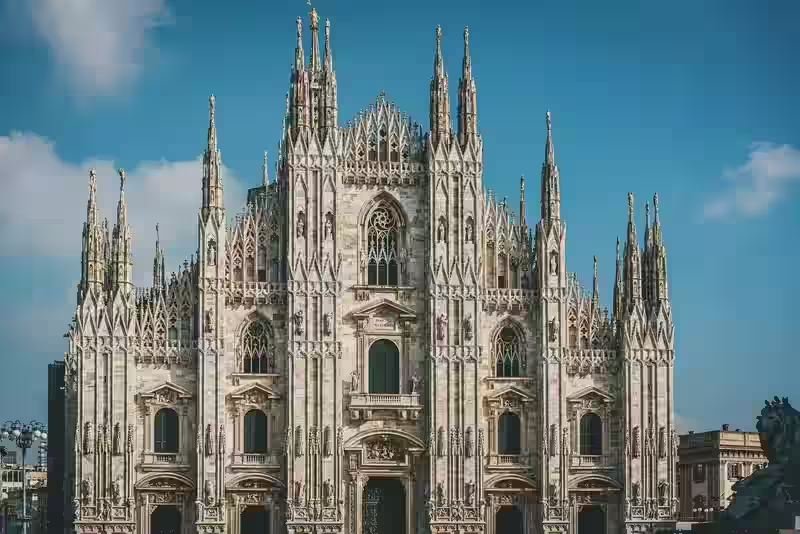
The second you find yourself in front of the Milan Duomo, you just sort of stop. It’s impossible to do anything else—this thing doesn’t just sit quietly in the city center; it grabs you. Anyone who stands there feels it: you’re not just facing a pile of stone and marble, but something that’s alive with echoes. Sometimes it feels as if the walls are holding centuries’ worth of breath. The marble isn't just white—it seems to pulse in the sunlight, and those spires, they’re not just shooting upward; they practically leap. You tilt your head back and scan the endless details, and what starts as awe quickly becomes something deeper. There’s a kind of hush, a weight to its presence, but it’s not heavy—it’s full, like the building’s carrying stories for you, but never crushing. It feels like a cathedral that remembers.History Behind the Milan Duomo Construction
But the Duomo’s more than a brilliant piece of architecture. It’s what happens when creativity, faith, stubbornness, and a dash of madness all pull together and refuse to let go. Building this place wasn’t a quick project—one generation started, another took over, and then another, each one handing off the baton without seeing the finish line. Artists left their stamp, stonemasons carved their lives into it, engineers solved problems nobody had ever dreamed up, and ordinary workers sweated for a dream they’d never live to see. Walk around the Duomo and you practically walk through time itself. There’s always this sense that everyone who worked here is still kind of present, like they’re in the walls muttering quiet encouragement. The message? Stick with something bold, and it’ll outlast you.
Evolution of Architecture Over Centuries
The backstory is wild, honestly. Imagine you’re in charge of a construction job where you have no chance of seeing the ribbon cutting. Every few decades, tastes would shift, new artists would step in, and the building would change shape—not clumsily, but in this way that now feels intentional, like a living project. There’s a patchwork to it, but the whole thing holds together because everyone agreed: it had to be beautiful, it had to stand. The result is a building you can read like a history book, with every century scribbling its own notes in the margins.
Gothic Architecture and Design of Milan Cathedral
Nothing says Gothic quite like the Duomo. Walk close enough, and you get lost in the forest of spires—so slender, pointing like arrows, each one sending your eyes skyward. The carvings tumble over each other: saints here, gargoyles there, animals, vines, cloaked faces—all squeezed in with almost reckless generosity. On a clear afternoon, the marble goes soft and nearly glows; for a moment, nothing’s heavy, and the whole building feels like lace someone spun from stone. You’d think you could break it with your breath, but up close, the details just pile on—thousands of statues and carvings, each loaded with meaning. You can’t help peering at each face, wondering if someone saw the real person behind it, or made up a story as they chiseled.
Hidden Details and Artistic Elements of Duomo Milan
Stand back and the whole church swells across the piazza, bold and defiant. But when you lean in, the scale flips, and you start spotting careful details—leaves here, the corner of a lion’s mouth there—a little piece of one person’s time left behind forever. There’s a kind of game in searching out the bits others miss. If you give yourself a minute, you always find something the guidebooks never mention.
Rooftop Experience and Milan City Views
Then, if you climb higher, you end up on the rooftop—a place that’s not really “roof” at all but feels more like a sculpture park tossed in the clouds. The open-air walkways sit among stone spires like a forest canopy. From up there, Milan opens up below your feet, and the city’s hum feels a world away. All around, statues lean or stand guard, as if they’re watching the city grow and change, keeping an eye on things even centuries later. And that golden Madonna, perched right on top—it’s not just a decoration. She practically radiates comfort, a reminder somebody’s looking out for the city day and night
 |
| Duomo Cathedral Sculptures | milano duomo | Pic Info |
Intricate Sculptures and Human Craftsmanship
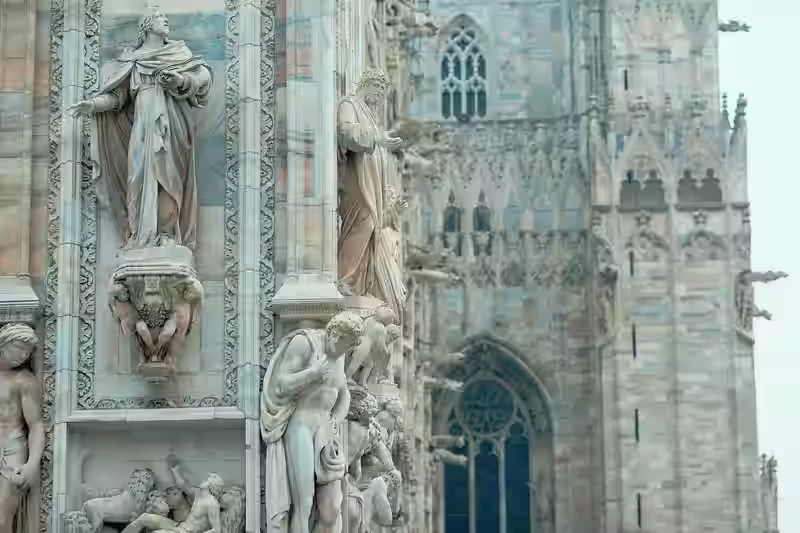
When you get into the details, it’s a little overwhelming. The faces on the statues don’t look generic. They carry emotion, from wild joy to heartbreak—sometimes you spot a furrowed brow, a little pride, a trace of defiance. Each one carved by someone who probably hoped their work would last, but likely didn’t expect anyone hundreds of years in the future to notice. Every mark is a gift from someone long gone with impossible patience. Imagine chiseling out lace, one tap at a time, years before modern tools. The more you look, the more you feel the sweat, the skill, the sheer want, anchoring every stone. You realize this cathedral isn’t impressive just because of its size—it’s breathtaking because it’s human.
Interior Atmosphere and Spiritual Experience
Step inside, and everything changes pace. It’s cooler, nearly silent. Colors drift through stained glass and land on the floor, shifting as the sun moves. The outside rush of the city fades to nothing; what’s left is a long echo and a spread of light. Tall pillars reach up so high you almost lose sight of the ceiling, but instead of making you feel small and lost, it kind of invites you to go quiet for a minute, take a breath. It’s not a space that shouts; it’s a place that invites. People pause. They let themselves be still. Nobody’s only gawking—they’re reflecting, right there with the ghosts of everyone who’s ever stood under those arches.
Why Milan Duomo Continues to Inspire Visitors
Why do people come back, year after year? It’s not for the love of marble alone or because they’re mad for architecture. People keep returning because the Duomo feels alive. The building carries centuries’ worth of optimism, stubbornness, and hope. It’s a monument, sure, but more than that, it’s the sum of thousands—maybe millions—of ordinary moments and hands coming together. No photo can capture that. Standing there, you pick up on it: greatness really isn’t fast. It’s built by a thousand small acts of care and the belief that beauty means something.
Conclusion: A Legacy Carved in Marble
In the end, the Duomo’s not just Milan’s superstar church or an old monument—it’s proof that building something worthwhile takes time. Every statue, every spire, every stretch of glowing marble is a thank you to everyone who stuck around long enough to finish what someone else started. Whether you see it from a crowded piazza or wander close enough to trace the stones, the Duomo quietly insists: slow down, look closer. The best things in life aren’t hurried—they’re shaped, one careful step after another, until they’re strong enough to outlast anything. That kind of patience, stitched into stone, is pretty rare. And really, once you see it, you won’t forget.